 By admin
Transitioning to a sustainable lifestyle is no longer just an environmental ideal; it is a highly practical financial strategy. Federal, state, and local governments are actively rewarding property owners who reduce their carbon footprint and transition away from fossil fuels. Through landmark legislation like the Inflation Reduction Act, alongside localized utility rebate initiatives, homeowners can significantly offset the upfront costs of eco-friendly renovations. Navigating these incentives allows you to modernize your property while saving thousands of dollars in tax credits and drastically lowering your monthly utility bills.
The most successful green renovations look at the property as a complete, interconnected system. When you balance energy consumption, water conservation, and sustainable landscaping, the benefits multiply. By strategically planning energy-efficient climate control upgrades, managing water and waste responsibly, utilizing passive landscaping techniques, and electrifying your household systems, property owners can maximize available green incentives while creating a deeply resilient and sustainable living space.
Optimizing Climate Control and Thermal Efficiency
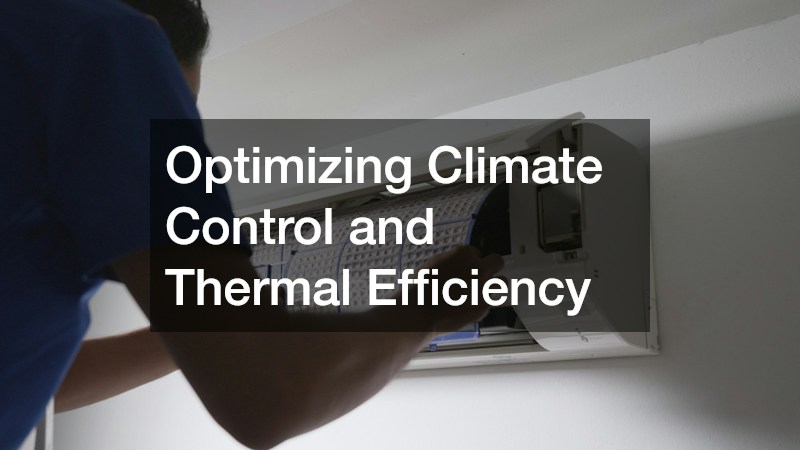
The largest portion of a home’s energy consumption is typically dedicated to heating and cooling. When aiming for sustainability, the primary objective is to reduce this baseline energy demand through smart technology and spatial efficiency. Modernizing your climate control systems not only lowers your carbon emissions but also unlocks some of the most lucrative federal tax credits currently available. The goal is to stop wasting energy through thermal leaks and to replace outdated, fossil-fuel-reliant equipment with highly efficient, electrified alternatives that can eventually be powered by renewable energy sources.
For homeowners looking to maximize their thermal efficiency and claim available rebates, implementing a targeted energy strategy is essential. Consider prioritizing the following actionable upgrades:
- Leverage federal tax credits for heat pumps: Under current federal guidelines, property owners can claim substantial tax credits—up to $2,000 annually—by upgrading from older, fossil-fuel-burning furnaces to high-efficiency electric air-source heat pumps. These systems move heat rather than generating it, making them up to three times more efficient than traditional baseboard heating or gas furnaces.
- Conduct a comprehensive home energy audit: Before installing new equipment, hire a certified energy auditor to perform a blower door test and thermal imaging scan. Identifying and sealing hidden drafts in your attic, basement, and around windows often qualifies you for weatherization rebates offered directly by your local utility provider, ensuring you do not waste money heating the outdoors.
- Reconfigure interior layouts for passive airflow: You can drastically reduce your reliance on mechanical cooling by optimizing your interior space for cross-ventilation. Ensuring that windows on opposite sides of the house can be opened to catch prevailing breezes reduces the need to run the air conditioner continuously during temperate spring and autumn months.
Living in a tightly sealed small home natively reduces your overall energy footprint, meaning it requires far less electricity to heat and cool the space. This reduced energy demand makes it much easier to eventually achieve net-zero energy consumption when paired with rooftop solar panels. However, to ensure these systems function optimally, it is crucial to hire certified HVAC services to properly size and install your high-efficiency equipment. An oversized or improperly installed unit will short-cycle, failing to properly dehumidify the air, consuming excess electricity, and potentially disqualifying you from the very energy rebates you are trying to claim.
Conserving and Managing Household Water Resources

While energy efficiency often dominates the conversation around sustainability, responsible water management is equally critical to reducing your environmental impact. Clean, potable water is an increasingly precious resource, and the energy required by municipalities to treat and pump water to residential neighborhoods carries a significant carbon footprint. By reducing your daily water consumption, capturing natural rainfall, and managing your property’s wastewater responsibly, you can dramatically lower your utility bills while protecting the local watershed from chemical and biological runoff.
Many local governments and water districts offer financial incentives for property owners who actively reduce their draw on municipal water lines. Focus your efforts on these high-impact conservation strategies:
- Claim municipal rebates for high-efficiency fixtures: Replace outdated toilets, showerheads, and faucets with models bearing the EPA WaterSense label. These heavily tested fixtures utilize aeration and advanced flushing technology to cut indoor water usage by up to twenty percent without sacrificing pressure, and many water utility companies offer direct cash rebates for making the switch.
- Install a rainwater harvesting system: Capture the runoff from your roof by installing a series of rain barrels or a larger subterranean cistern. This reclaimed water is completely free and perfect for garden irrigation, washing vehicles, or topping off water features. Check with your local municipality, as many offer rain barrel distribution programs at heavily subsidized prices.
- Switch to biodegradable, phosphate-free cleaning products: The chemicals you wash down your drains eventually make their way into local ecosystems. Phosphates in particular cause massive algae blooms in lakes and rivers, starving aquatic life of oxygen. Switching to plant-based detergents protects the groundwater and preserves the delicate biological balance of your waste management system.
Choosing to install a high-quality water filtration system directly at your kitchen sink eliminates the environmental devastation associated with purchasing single-use plastic water bottles, all while ensuring your family has continuous access to safe, clean drinking water. Furthermore, if your property is disconnected from municipal sewers, you must prioritize the health of your localized waste system. It is an absolute environmental necessity to schedule routine septic pumping to prevent raw, untreated sewage from overflowing into your drain field, a disastrous scenario that contaminates local soil, ruins groundwater quality, and results in massive fines from local environmental protection agencies.
Designing Passive Cooling and Sustainable Landscaping
The exterior of your property plays a massive role in the overall energy efficiency of the building. Sustainable landscaping, often referred to as xeriscaping or eco-scaping, goes far beyond planting a few trees; it involves strategically using vegetation and shade structures to manipulate the microclimate immediately surrounding your house. By intercepting harsh sunlight before it hits your windows and utilizing plants that thrive naturally in your region’s climate, you can slash your summer cooling bills, reduce your reliance on chemical fertilizers, and create a thriving habitat for local pollinators.
Many municipalities now recognize the value of private landscaping in combating the broader urban heat island effect, offering grants and resources to homeowners willing to plant beneficial vegetation. Incorporate these landscaping strategies into your outdoor renovation plans:
- Plant native, drought-resistant vegetation: Surround the southern and western perimeters of your house with native shrubs and perennials. Because these plants have evolved to thrive in your specific soil and climate, they require zero chemical fertilizers and minimal supplemental watering, naturally absorbing solar heat and cooling the ambient air through transpiration.
- Apply for local tree canopy grants: Many cities offer free saplings or rebates for planting large deciduous trees. When positioned strategically on the south side of your property, these trees provide incredibly dense shade during the scorching summer months, but drop their leaves in the winter to allow warming sunlight to reach your windows.
- Repurpose all organic yard waste: Stop bagging your fallen leaves and grass clippings for municipal pickup. Start a composting bin in the corner of your yard to turn dead leaves, branches, and kitchen scraps into nutrient-rich organic soil, completing the natural carbon cycle and providing free, sustainable fertilizer for your vegetable garden.
To augment your natural landscaping, consider the architectural benefits of shade technology. Installing a motorized retractable awning over your south-facing windows and patios acts as an incredibly effective passive cooling system. By deploying the shade during peak afternoon hours, you block harsh ultraviolet rays from superheating your interior floors, significantly lowering your indoor cooling demands without using any mechanical air conditioning. However, when maintaining your canopy, it is important to hire a responsible local tree removal company when clearing diseased or dead timber. A green-focused contractor will ensure the wood is properly chipped into mulch for local gardens or recycled for lumber, rather than simply hauling the organic material to a landfill where it will release methane as it decays.
Upgrading to Permeable Hardscapes and Clean Heating
As extreme weather events bring heavier, more concentrated rainfall, managing stormwater runoff has become a major priority for sustainable properties. Traditional, impermeable surfaces like solid concrete driveways and expansive patios force rainwater to flood into municipal storm drains, carrying motor oil, pesticides, and debris directly into local rivers. Concurrently, homeowners looking to maintain independence from the electrical grid during the winter must evaluate how their secondary heating sources impact local air quality. Upgrading both your property’s hardscapes and its biomass heating systems can dramatically reduce your environmental footprint.
Municipalities are increasingly incentivizing property owners to keep rainwater on-site and to transition away from heavily polluting open-hearth fires. Consider these infrastructure upgrades to make your property more eco-friendly:
- Replace solid driveways with permeable surfaces: Transition from solid concrete to permeable pavers, porous concrete, or reinforced gravel grids. These materials allow heavy rainwater to naturally filter down through the crushed stone base and back into the aquifer. Many cities now offer significant reductions in annual stormwater runoff fees for properties that install pervious hardscapes.
- Upgrade to EPA-certified biomass inserts: If you rely on wood for winter warmth, upgrade older, open-hearth fireplaces to modern, EPA-certified wood or pellet inserts. These advanced units utilize secondary combustion to burn incredibly clean, producing minimal smoke, and are frequently eligible for state-level biomass tax credits designed to improve winter air quality.
- Install reflective cool roofs on detached structures: If you are replacing the roof on your home or a detached garage, opt for lighter-colored shingles or reflective metal roofing. These “cool roofs” reflect solar radiation rather than absorbing it, lowering the ambient temperature of the neighborhood and extending the lifespan of the roofing materials.
When planning a driveway replacement, suggest consulting with an eco-conscious asphalt paving company that specializes in utilizing recycled asphalt product (RAP) or engineered porous pavement solutions. Repurposing existing materials drastically reduces the massive carbon emissions associated with mining, heating, and transporting brand-new petroleum-based asphalt to your property. If you choose to utilize an upgraded wood-burning system for sustainable winter heating, you must recommend booking a professional chimney cleaner annually. Removing dangerous creosote buildup is not just a critical fire safety measure; it ensures that your high-efficiency biomass heating system continues to draft properly and burn at maximum efficiency with the lowest possible particulate emissions.
Electrifying Appliances and Securing Backup Power

The final frontier of sustainable homeownership is total electrification. The ultimate goal of the modern green movement is to remove all on-site fossil fuel combustion—meaning no natural gas lines for stoves, ovens, or dryers. As the national electrical grid continues to incorporate more wind, solar, and hydroelectric power, a fully electrified home becomes greener every single year. Furthermore, as climate change drives more unpredictable and severe weather, securing a reliable, clean source of backup power ensures that your family remains safe, warm, and connected during prolonged municipal grid failures.
The High-Efficiency Electric Home Rebate Act (HEEHRA) was designed specifically to help low- and moderate-income households afford this transition, offering point-of-sale rebates for heavy-duty electric appliances. Focus your electrification and resilience efforts on these key upgrades:
- Transition to magnetic induction cooking: Leverage federal rebates to cover significant portions of the cost when replacing a natural gas stove with a high-efficiency induction cooktop. Induction uses electromagnetic fields to heat the cookware directly, boiling water twice as fast as gas while eliminating the indoor release of carbon monoxide and nitrogen dioxide.
- Audit and upgrade your electrical panel: Complete electrification requires substantial amperage. Have a licensed electrician evaluate your main electrical panel to ensure it has the capacity (a minimum of 200 amps is usually required) to safely support an electric vehicle charger, an induction stove, and electric climate control systems simultaneously.
- Explore incentives for residential battery storage: Investigate state-level incentives and federal tax credits for installing lithium-ion battery storage systems. When paired with a residential solar array, these batteries allow you to store excess daytime solar energy to power your home through the night, dramatically reducing your reliance on the commercial grid.
One of the most impactful upgrades you can make is in your utility room. There are massive energy savings and federal tax credits available when you replace a standard, energy-wasting traditional tank with a hybrid heat pump water heater. By pulling ambient heat from the surrounding air to warm the water, these units use up to seventy percent less electricity than standard models. Finally, to protect your fully electrified home from winter storms and rolling blackouts, discuss partnering with modern generator services. Installing a highly efficient, automatically switching standby unit—or better yet, a solar-tied battery backup system—provides vital home resilience and peace of mind during grid failures caused by severe climate events.
From utilizing passive cooling strategies and conserving fresh water to fully electrifying your home’s major appliances and heating systems, these thoughtful improvements work together in harmony. They systematically reduce your monthly operating costs, increase your property’s market value, and actively protect the local ecosystem from unnecessary pollution. Do not leave these valuable incentives on the table. Start small by scheduling a professional energy audit this month, and use those findings to map out a long-term renovation plan that perfectly aligns with this year’s available green tax incentives.